

Tax Planning · Section 179

Section 179 Tax Savings on Ford Trucks & Vans

Qualifying Ford trucks and vans purchased and placed in service before January 1, 2026 may be eligible for significant Section 179 deductions. Ted Britt Fairfax Ford's commercial team is here to help you put the right work vehicle— and the right tax strategy—to work for your business.

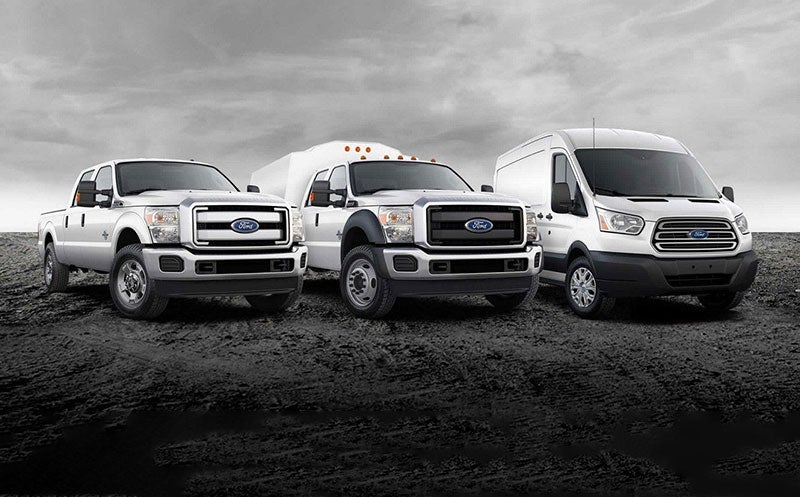
Ford Super Duty trucks and work van
Overview

Section 179 Tax Advantage for Ford Trucks & Vans in 2025

Section 179 allows qualifying businesses to deduct the full purchase price of eligible Ford trucks and vans that are purchased or financed and placed in service before the tax year ends. For the 2025 tax year, that means taking delivery and placing the vehicle in business use before January 1, 2026. When the vehicle meets the Gross Vehicle Weight Rating (GVWR) and business-use requirements, Section 179 can turn your new Ford work vehicle into a powerful, same-year tax deduction.

How It Works

Full Cost Deduction in the First Year

Section 179 allows businesses to deduct the cost of qualifying vehicles with a GVWR over 6,000 pounds as an expense in the year they are placed in service, rather than depreciating them over several years. This can deliver a significant tax benefit for Virginia-area companies investing in heavy-duty Ford trucks and commercial vans.

Business Use

More Than 50% for Work

To qualify for Section 179, the vehicle generally must be used for business purposes more than 50% of the time. Maintaining clear documentation of business mileage and usage is essential to support your deduction if requested by the IRS.

Limits & Timing

2025 Deduction Limit of $1,080,000

For the 2025 tax year, the overall Section 179 deduction limit is $1,080,000 across qualifying purchases. For eligible vehicles over 6,000 pounds GVWR, the maximum Section 179 deduction is $30,500 per vehicle, subject to IRS rules. The vehicle must be purchased and placed in service before January 1, 2026 to count toward the 2025 tax year.

Illustrative Examples

How Much Can I Deduct on a Qualifying Ford Truck or Van?

For 2025, qualifying Ford Super Duty trucks, Expeditions, and Transit vans with a GVWR over 6,000 pounds may be eligible for a Section 179 deduction up to $30,500 per vehicle, with an overall Section 179 limit of $1,080,000 on qualifying purchases. Some vehicles may also qualify for additional bonus depreciation under Section 168(k). The exact amount depends on the model, purchase price, percentage of business use, and current IRS guidelines.

Example Vehicle Purchase Price Section 179 Deduction (Max $30,500) Sample Bonus Depreciation (Sec. 168(k)) Estimated Total 1st-Year Deduction
Ford F-250 Super Duty $78,000 $30,500 $32,760 $63,260
Ford F-350 Super Duty $86,500 $30,500 $36,330 $66,830
Ford Expedition $74,000 $30,500 $26,880 $57,380
Ford Transit 350 $68,500 $30,500 $23,940 $54,440

These scenarios are for illustrative purposes only and assume business use greater than 50%. Actual deduction amounts are determined by IRS regulations, vehicle specifications, and your business-use percentage. Always consult your tax professional for current limits and precise guidance before filing.

The real advantage of Section 179 is its impact on your cash flow. By deducting much of the vehicle cost in the first year, Northern Virginia and DC-metro businesses can reinvest in other critical priorities while driving a capable, hard-working Ford that represents their company on every job site.

Model Eligibility

Which Ford Models Qualify for Section 179?

Section 179 eligibility depends on both the vehicle's Gross Vehicle Weight Rating (GVWR) and how it is used. In general, Ford vehicles with a GVWR over 6,000 pounds that are used more than 50% of the time for business may qualify for larger Section 179 deductions.

Qualifying Ford Models for Section 179

Certain F-150 (properly equipped), F-250 Super Duty, F-350 Super Duty, Expedition, and Transit (250/350) configurations feature a GVWR above 6,000 pounds. These vehicles are built for real commercial demands and help meet the "heavy vehicle" criteria associated with favorable Section 179 treatment.

When used primarily for business, these models may allow you to combine a Section 179 deduction (up to $30,500 for 2025 on qualifying vehicles) with potential bonus depreciation under Section 168(k), subject to IRS rules. Work with your tax advisor and our commercial team at Ted Britt Fairfax Ford to confirm the GVWR and eligibility of the exact configuration you need.

Light-Duty Trucks & SUVs

Lighter vehicles such as the Ranger, Maverick, Explorer, and Escape typically fall below the 6,000-pound GVWR threshold. While they remain excellent personal and mixed-use vehicles, they are generally treated as "light vehicles" for depreciation purposes.

These vehicles may still offer tax advantages, but not at the same level as heavier Super Duty trucks, Expedition, or Transit vans. Business buyers focused on maximizing Section 179 benefits typically gravitate toward Ford's commercial-grade platforms.

Timing

Why Now Is the Time to Act for the 2025 Tax Year

To claim Section 179 for the 2025 tax year, your qualifying Ford truck or van must be purchased and placed in service before January 1, 2026. Because IRS limits and bonus depreciation rules can change, planning ahead helps you secure available benefits while inventory and timing are still in your favor.

  1. 1
    Start with Your Tax Professional

    Discuss your business goals, anticipated vehicle usage, and preferred Ford work vehicles with your CPA or tax advisor. They can confirm how Section 179 and any applicable bonus depreciation apply to your specific situation.

  2. 2
    Connect with Ted Britt Fairfax Ford

    Our commercial and fleet specialists will help you identify eligible Ford Super Duty, Expedition, and Transit models, verify GVWR, and align your purchase timeline to meet the year-end deadline.

  3. 3
    Order and Take Delivery

    Securing your vehicle early helps avoid year-end inventory bottlenecks. Once delivered and placed in service, the vehicle may qualify for Section 179 treatment in the 2025 tax year.

  4. 4
    Maintain Documentation for Filing

    Keep detailed records of your purchase documents, financing agreements, and a mileage log separating business and personal use. This documentation is critical if the IRS ever requests substantiation.

Next Steps

Schedule Your Section 179 Consultation Today

Ready to see how a new Ford truck or van can support your business while potentially qualifying for Section 179? Contact Ted Britt Fairfax Ford or visit our Fairfax showroom to explore eligible models in person.

Our Commercial & Fleet Sales Team understands the demands placed on working vehicles across Northern Virginia, Fairfax County, and the DC metro corridor. From helping you select the right configuration to coordinating documentation for your tax professional, we make the process straightforward and transparent.

Section 179 is time-sensitive, but the benefits extend far beyond this year's tax season. Secure your qualifying Ford now and experience the durability, capability, and long-term value that define America's best-selling work truck—built for business, engineered for real-world demands.

Questions

Section 179 FAQ for Ford Trucks & Vans

Have questions about how Section 179 applies to your Ford purchase? Start here, then speak with your tax professional and our commercial sales team for details specific to your situation.

Yes, certain Ford models can qualify for Section 179 deductions, particularly those with a GVWR over 6,000 pounds—such as the F-250, F-350, Expedition, and Transit 250/350 in specific configurations. Eligibility also depends on business use percentage and current IRS rules.

For the 2025 tax year, the maximum Section 179 deduction for qualifying vehicles over 6,000 pounds GVWR is $30,500 per vehicle, subject to IRS rules and the overall Section 179 deduction limit of $1,080,000.

Section 179 generally applies to purchased or financed vehicles, not traditional operating leases. Some lease-to-own or lease-purchase structures may qualify depending on how the agreement is structured. Your tax professional can confirm eligibility based on your specific lease terms.

Certain properly equipped F-150 configurations can exceed the 6,000-pound GVWR threshold and may qualify. However, this depends on the specific trim, cab style, payload package, and final build. Our commercial team at Ted Britt Fairfax Ford can verify the GVWR for any configuration you're considering.

The IRS generally requires documentation including your purchase agreement or financing documents, proof that the vehicle was placed in service before year-end, and a mileage log that clearly distinguishes business use from personal use. Your tax professional can advise on the exact recordkeeping requirements for your situation.

This information is provided for general educational purposes and does not constitute legal, tax, or accounting advice. Vehicle eligibility, deduction limits, and GVWR thresholds are governed by IRS rules and may change. Section 179 benefits depend on your business-use percentage and overall tax situation. Always consult your tax professional to determine specific qualifications and filing requirements before claiming any Section 179 or bonus depreciation deduction. Ted Britt Fairfax Ford is not a tax advisory firm.

Cookie Consent: By continuing to use this site you agree to our use of cookies.

Accept Learn More